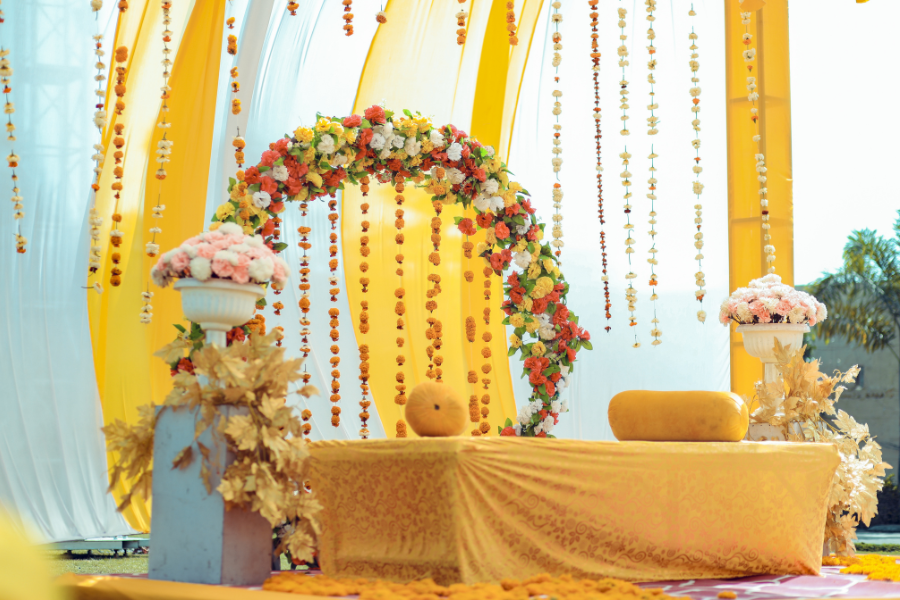
Planning an Indian destination wedding in Vietnam starts with one of the most important decisions: choosing the right resort.
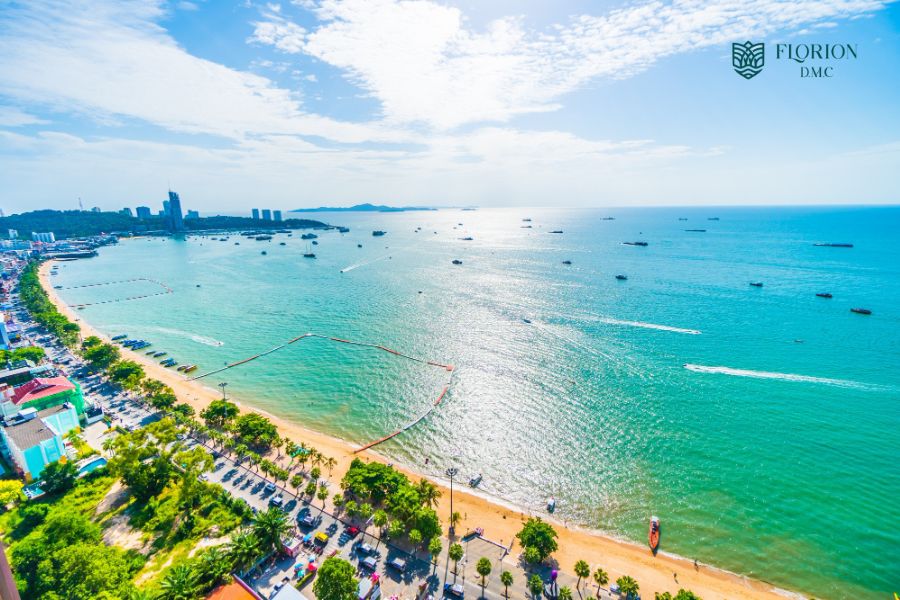
Vietnam offers an impressive collection of beachfront resorts, luxury hotels, private villas, tropical islands, and heritage-inspired properties across destinations such as Da Nang, Phu Quoc, Hoi An, Nha Trang, and Ha Long Bay. While beautiful scenery is important, an Indian wedding requires much more than an Instagram-worthy backdrop.
From Haldi and Mehndi to Sangeet, Baraat, Pheras, and the wedding reception, a traditional Indian celebration often involves several events across multiple days. Each function comes with different requirements for space, catering, décor, entertainment, sound, transportation, and guest management.
So, what should you look for when choosing a wedding resort in Vietnam?
Here are the most important factors Indian couples, families, and wedding planners should consider before confirming a venue.
1. Choose the Right Destination in Vietnam
Before comparing individual resorts, start by choosing a destination that suits the scale and style of your wedding.
Da Nang
Da Nang is particularly suitable for large and luxury Indian weddings. The city combines a long beachfront with established five-star resorts, large event spaces, and convenient access to the airport. It is an excellent choice for multi-day celebrations requiring a combination of beachfront lawns, poolside areas, ballrooms, and guest accommodation. Nearby Hoi An also makes it possible to add cultural activities and sightseeing experiences to the wedding itinerary.
Phu Quoc
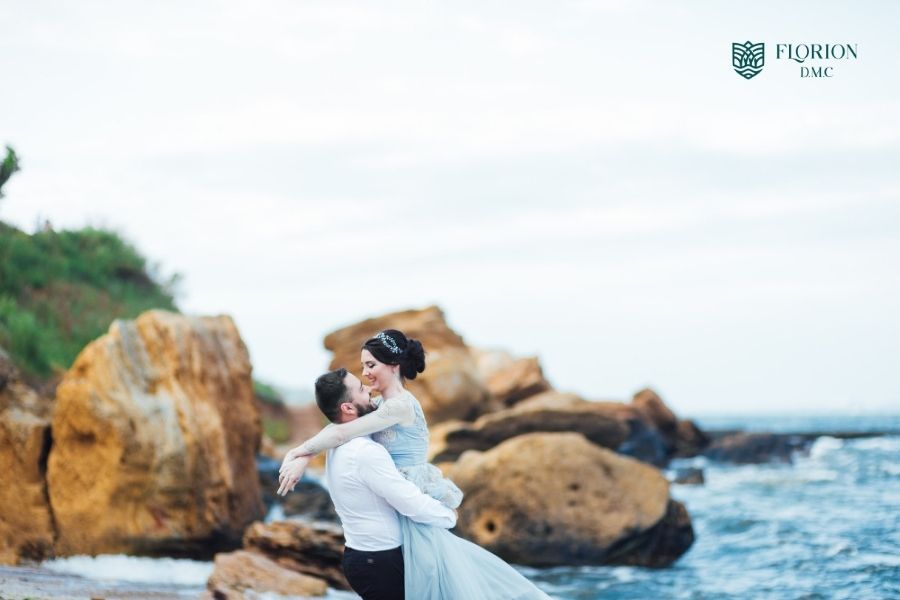
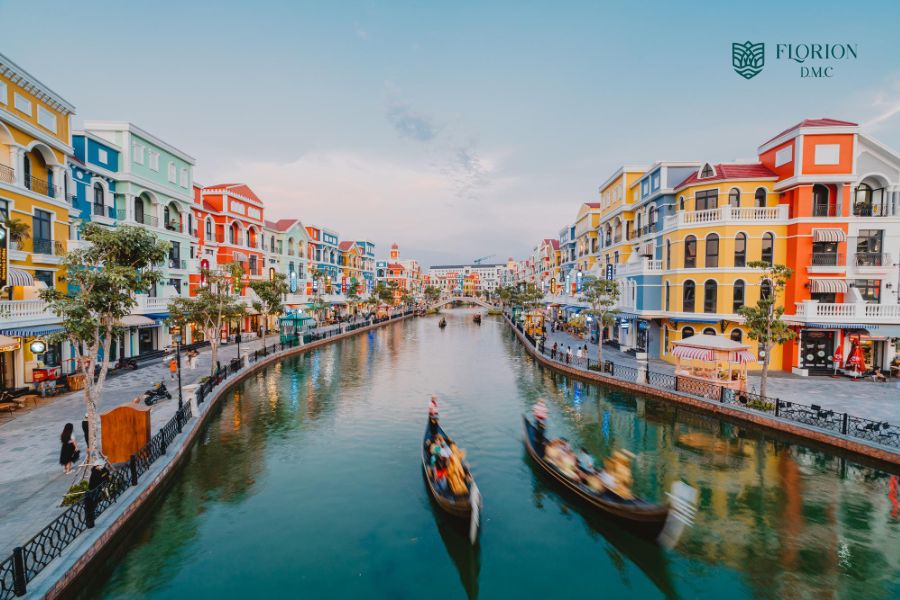
For couples dreaming of a tropical island celebration, Phu Quoc offers beautiful beaches, sunset views, and luxury resort experiences. The destination works especially well for intimate and high-end weddings where families want the entire celebration to feel like a private tropical holiday.
Hoi An
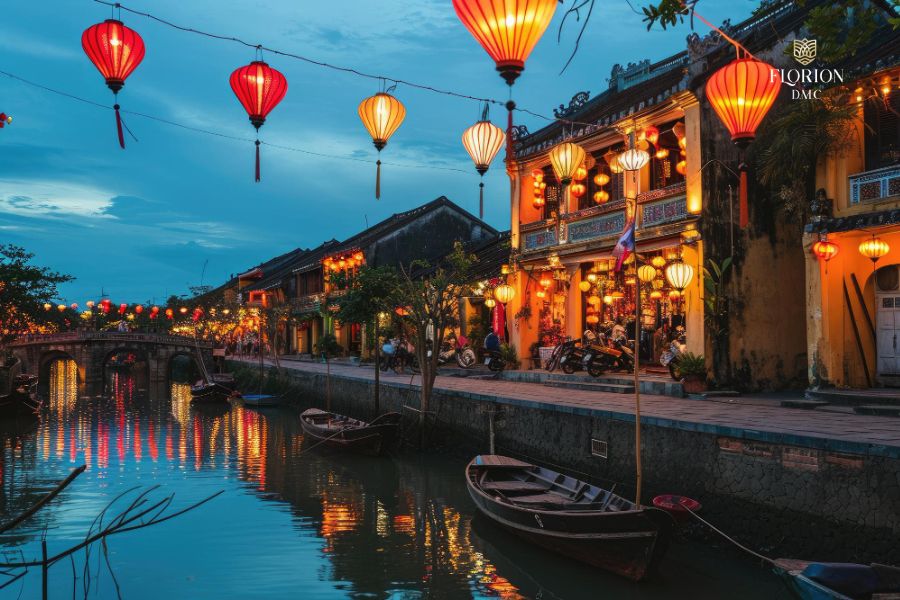
Hoi An brings a different atmosphere to a Vietnam destination wedding. Its heritage architecture, lantern-lit streets, riverside scenery, and surrounding resorts create a romantic setting for couples looking for a strong cultural element.
Nha Trang
With its coastline and selection of beachfront and island resorts, Nha Trang provides another option for resort-focused Indian weddings. It is particularly suitable for families who want guests to enjoy plenty of leisure time between wedding functions.
Once you have selected the destination, you can begin comparing resorts based on their operational capabilities rather than appearance alone.
2. Multiple Event Spaces Are Essential
One of the first questions to ask is:
How many different wedding venues can the resort provide?
A three-day Indian wedding may require separate spaces for:
- Welcome dinner
- Haldi
- Pool party
- Mehndi
- Sangeet
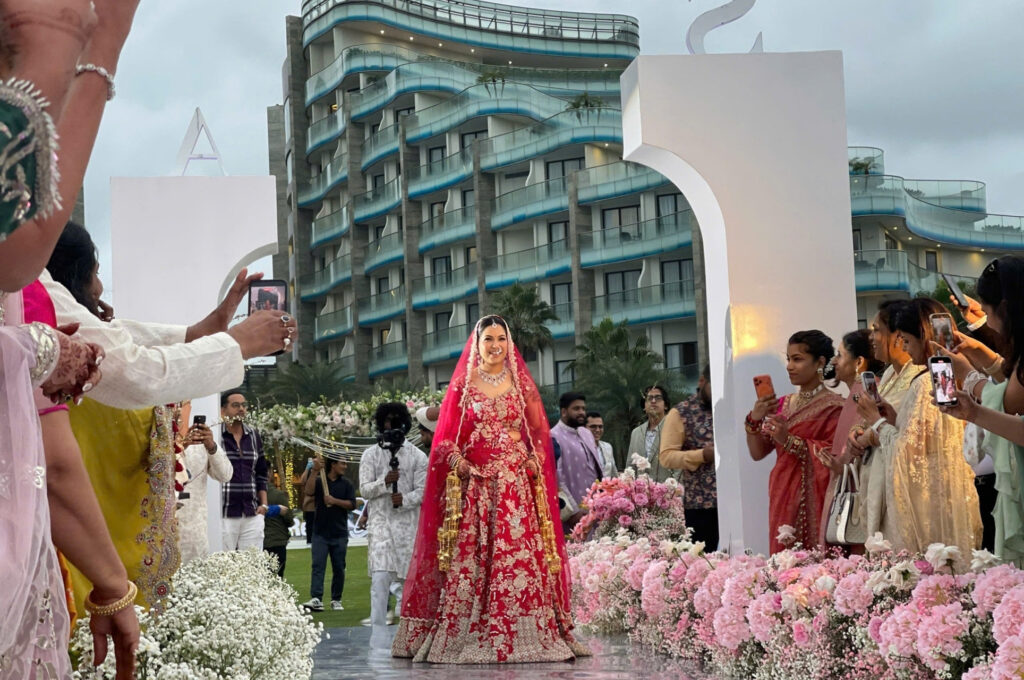
- Baraat
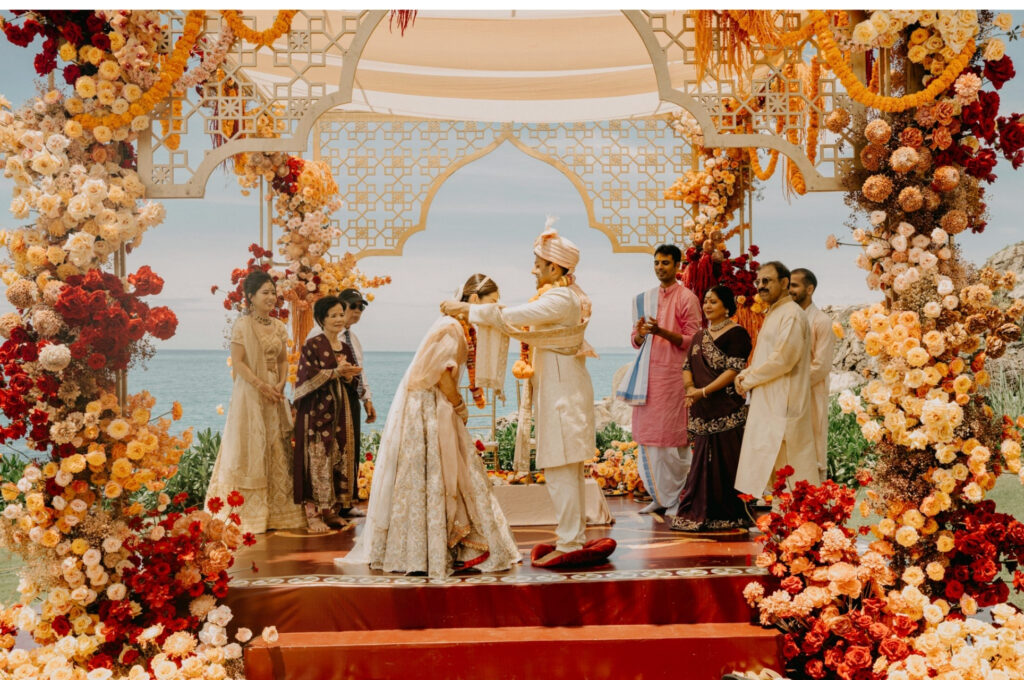
- Mandap and Pheras
- Wedding reception
- After-party
Using different spaces gives each event its own identity while keeping the overall celebration fresh and exciting for guests.
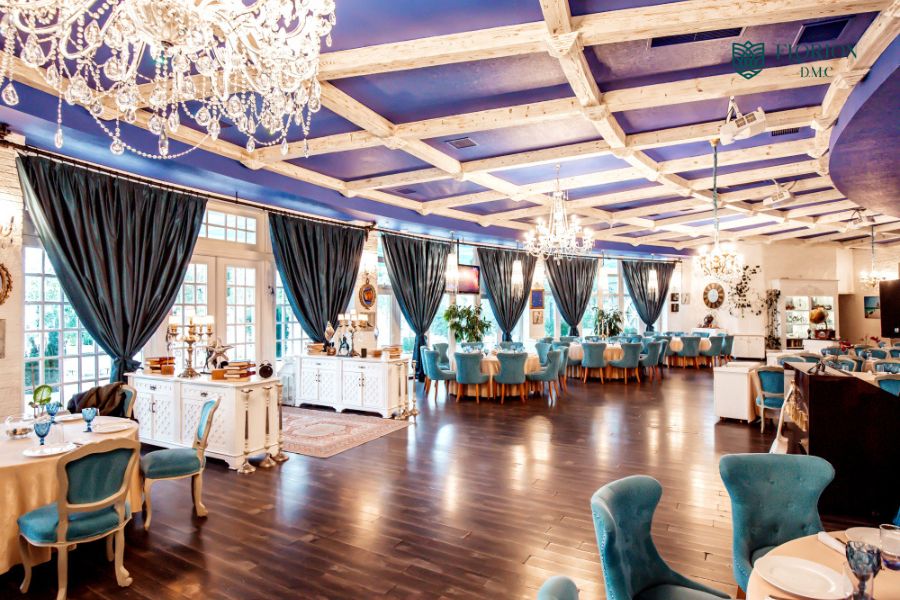
A beachfront lawn may be perfect for a sunset Mandap, while a poolside venue can create a vibrant setting for Haldi. The Sangeet, meanwhile, may require a large indoor ballroom capable of accommodating professional staging, LED screens, lighting, performances, and a dance floor.
When inspecting a resort, do not rely only on the stated venue capacity. Ask how many guests the space can accommodate after the stage, Mandap, buffet stations, dance floor, AV equipment, and production structures are installed.
3. Always Check the Rain Backup Plan
Vietnam’s tropical climate means outdoor celebrations should always have a contingency plan. For every beach, lawn, garden, or poolside event, ask the resort what happens in case of rain. Ideally, an equivalent indoor space should be available and large enough to accommodate the same guest count and production requirements. Couples and planners should also clarify whether the backup venue is automatically reserved, whether additional rental fees apply, and how quickly the resort can move an event indoors. A beautiful beachfront venue means little if there is no realistic Plan B.
4. Understand Indian Food and Jain Catering Capabilities
Food can be one of the most important factors in the overall guest experience at an Indian destination wedding.
Before confirming a wedding resort in Vietnam, carefully evaluate its experience with Indian cuisine and specific dietary requirements.
Ask whether the resort can accommodate:
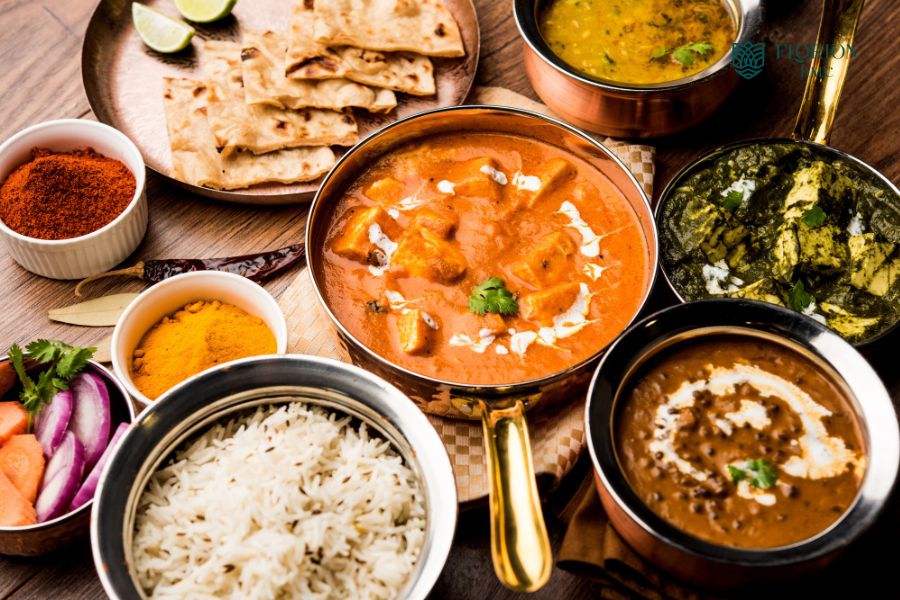
- North Indian cuisine
- South Indian cuisine
- Gujarati and Marwari menus
- Vegetarian meals
- Strict Jain food
- Live chaat counters
- Dosa stations
- Tandoor stations
- Indian desserts
- Late-night snacks
- Masala chai and hospitality lounge refreshments
For Jain guests, detailed planning becomes particularly important. Preparation requirements, ingredients, kitchen areas, cookware, and cross-contamination protocols should be discussed in advance.
Another important question is whether the resort permits external Indian chefs or specialized catering teams.
Some weddings may require visiting chefs to collaborate with the resort culinary team, while larger events may require dedicated kitchen areas. Resort policies regarding external chefs, kitchen access, ingredient sourcing, and associated fees should therefore be confirmed before signing the contract.
5. Check Sound Restrictions and Event Timings
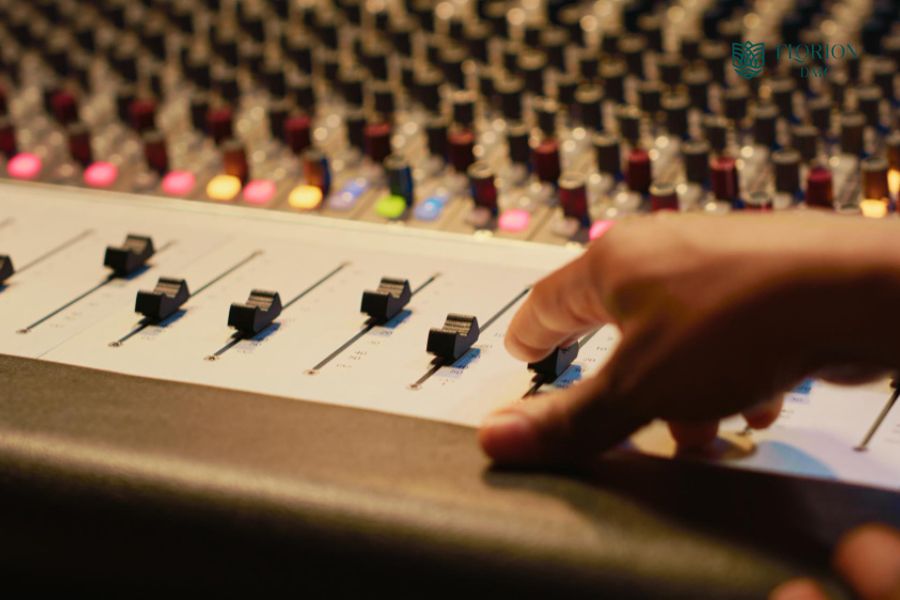
Imagine planning an elaborate Sangeet only to discover that amplified music must stop at 10 PM. Sound restrictions vary between resorts and destinations, particularly for outdoor beachfront events.
Before booking, clarify:
- Outdoor sound cut-off times
- Maximum permitted sound levels
- Indoor ballroom operating hours
- Rules for DJs and live bands
- Late-night after-party options
If your celebration includes a Baraat with a DJ and dhol, discuss the proposed procession route and sound requirements with the property as well. For families who envision late-night Sangeet celebrations or receptions, these details can significantly influence which resort is suitable.
6. Confirm Ceremonial Fire and Production Permissions
Traditional Indian wedding ceremonies may involve requirements that standard hotel events do not. One important example is the Agni during the Pheras. Before choosing your Mandap location, confirm whether ceremonial fire is permitted on the lawn, beach, terrace, or indoor venue and what safety procedures are required.
If your wedding concept includes additional production elements, also check resort policies for:
- Fireworks
- Cold pyrotechnics
- Drones
- Large LED screens
- Structural stages
- Hanging installations
- Heavy floral structures
- Special lighting
Certain elements may require advance approval or local permits, making early planning essential.
7. Consider Guest Accommodation and Room Blocks
An Indian destination wedding is not only an event—it is also a multi-day travel experience for your guests. If 200 or 300 people are attending, room availability becomes just as important as event space.
Ask the resort about:
- Total number of available rooms
- Room block policies
- Group rates
- Minimum room commitments
- Check-in and check-out arrangements
- Early arrival and late departure policies
- Family suites and connecting rooms
- VIP accommodation
- Cancellation and attrition conditions
For larger weddings, keeping most guests at the same resort can significantly simplify transportation and improve the overall wedding atmosphere.
8. Evaluate Airport Access and Guest Transfers
Consider the journey from the moment guests arrive in Vietnam.
How far is the resort from the nearest airport? Can coaches access the property easily? How will VIP guests be transferred? What happens when several flights arrive simultaneously?
For large Indian weddings, guest logistics may involve coordinating multiple airport pickups, private cars, coaches, luggage vehicles, and resort check-ins throughout the day.
A well-planned arrival experience may include an airport welcome team, coordinated transportation, express group check-in, luggage assistance, and a dedicated hospitality desk at the resort.
Choosing a venue with convenient airport access can make a significant difference, especially for elderly guests, families with children, and large groups.
9. Ask About External Vendor Policies
Elaborate Indian weddings often involve multiple specialist teams working together.
These may include wedding planners, decorators, florists, photographers, entertainment companies, AV suppliers, production crews, and Indian culinary specialists.
Before booking, ask whether the resort allows external vendors and whether additional charges apply.
Important costs to clarify include:
- External vendor fees
- Production fees
- Corkage charges
- Kitchen access fees
- Electricity charges
- Setup and dismantling fees
- Storage charges
- Venue overtime
Understanding these policies from the beginning helps avoid unexpected costs later in the planning process.
10. Look Beyond the Wedding Day
One of the advantages of hosting an Indian wedding in Vietnam is the opportunity to turn the celebration into a memorable holiday for family and friends.
When choosing a resort, consider what guests can experience between wedding functions or after the celebration.
Depending on the destination, activities can include city tours, cruises, spa treatments, golf, shopping, cultural experiences, island excursions, and private dining.
In Da Nang, guests can combine the wedding with Hoi An or Ba Na Hills. In Phu Quoc, island experiences and sunset cruises can complement the wedding program. In Ha Long Bay, a luxury cruise can become a memorable pre- or post-wedding experience.
These additional experiences are particularly valuable when guests have traveled internationally to attend the celebration.
Why Work with a Local Vietnam Wedding DMC?
Selecting the right resort is only the first step.
Planning an Indian wedding in another country involves coordinating the resort, transportation companies, catering teams, decorators, production suppliers, entertainment, guest services, and local operational requirements.
A professional Vietnam wedding DMC acts as the local bridge between the family, wedding planner, resort, and suppliers.
Instead of managing multiple local vendors independently, couples and wedding planners can work with an experienced destination partner to coordinate everything on the ground.
A local DMC can assist with:
- Resort and venue sourcing
- Venue inspections
- Contract and room block coordination
- Indian and Jain catering arrangements
- Local décor and production sourcing
- Airport and guest transfers
- Hospitality desk operations
- Local supplier management
- Pre- and post-wedding experiences
- On-ground coordination throughout the event
For large multi-day Indian weddings, having an experienced local team can be particularly valuable when schedules change or multiple events are being prepared simultaneously.
Florion DMC – Your Professional Destination Wedding Partner in Vietnam
Florion DMC is a professional Destination Management Company specializing in destination weddings in Vietnam, providing comprehensive local support for Indian couples, families, wedding planners, and travel partners.
With destination expertise and a network of resorts, hotels, transportation providers, and event suppliers across Vietnam, Florion DMC helps clients identify venues based not only on their appearance but also on their suitability for the specific requirements of an Indian wedding.
From beachfront celebrations in Da Nang and Phu Quoc to destination events in Hoi An, Nha Trang, Ha Long, and other locations across Vietnam, our team supports the planning process from venue sourcing through on-ground execution.
Florion DMC’s destination wedding services include resort sourcing, accommodation coordination, airport transfers, guest logistics, Indian catering coordination, local production and décor sourcing, transportation, sightseeing programs, and on-ground operational support.
For multi-day celebrations involving Haldi, Mehndi, Sangeet, Baraat, Pheras, receptions, and guest activities, our team works alongside families and wedding professionals to help coordinate the many moving parts of a destination wedding.
Beyond weddings, Florion DMC also provides destination management services across MICE, B2B travel, charters, cruises, and golf, making it possible to create complete travel programs around the celebration.
Final Wedding Resort Checklist
Before signing a contract with a wedding resort in Vietnam, make sure you can answer these questions:
Venue: Does the resort have enough indoor and outdoor spaces for every function?
Capacity: Can each venue comfortably accommodate your guests after full wedding production is installed?
Weather: Is there a suitable rain backup venue for every outdoor function?
Food: Can the property accommodate Indian vegetarian and Jain requirements?
Kitchen: Are external Indian chefs or specialist catering teams permitted?
Timing: What are the outdoor sound restrictions and event cut-off times?
Ceremony: Is ceremonial fire permitted for the Pheras?
Production: Are external décor, AV, fireworks, drones, and production suppliers allowed?
Accommodation: Can the resort provide enough rooms and suitable group terms?
Logistics: How easy is it to transfer guests between the airport and resort?
Costs: Are external vendor fees, corkage, overtime, power, and other additional charges clearly stated?
Plan Your Indian Destination Wedding in Vietnam
The perfect wedding resort is not necessarily the property with the largest ballroom or the most beautiful beach.
The right venue is one that brings together beautiful surroundings, suitable event spaces, catering flexibility, smooth guest logistics, production capabilities, and an understanding of your wedding traditions.
Taking the time to evaluate these factors before signing a venue contract can make the entire planning process smoother and help create a better experience for both the couple and their guests.
If you are considering an Indian destination wedding in Vietnam, Florion DMC can help you evaluate destinations and identify resorts that match your guest numbers, wedding style, budget, catering requirements, and event schedule.
Start planning your celebration with Florion DMC and discover the right wedding resort in Vietnam for your special day.
- Ho Chi Minh City Office: 151A Nguyen Dinh Chieu, Xuan Hoa Ward, Ho Chi Minh City
- Hanoi Office: 47 Phan Chu Trinh, Cua Nam Ward, Hanoi City
- Direct Email: Sales@floriondmc.com