

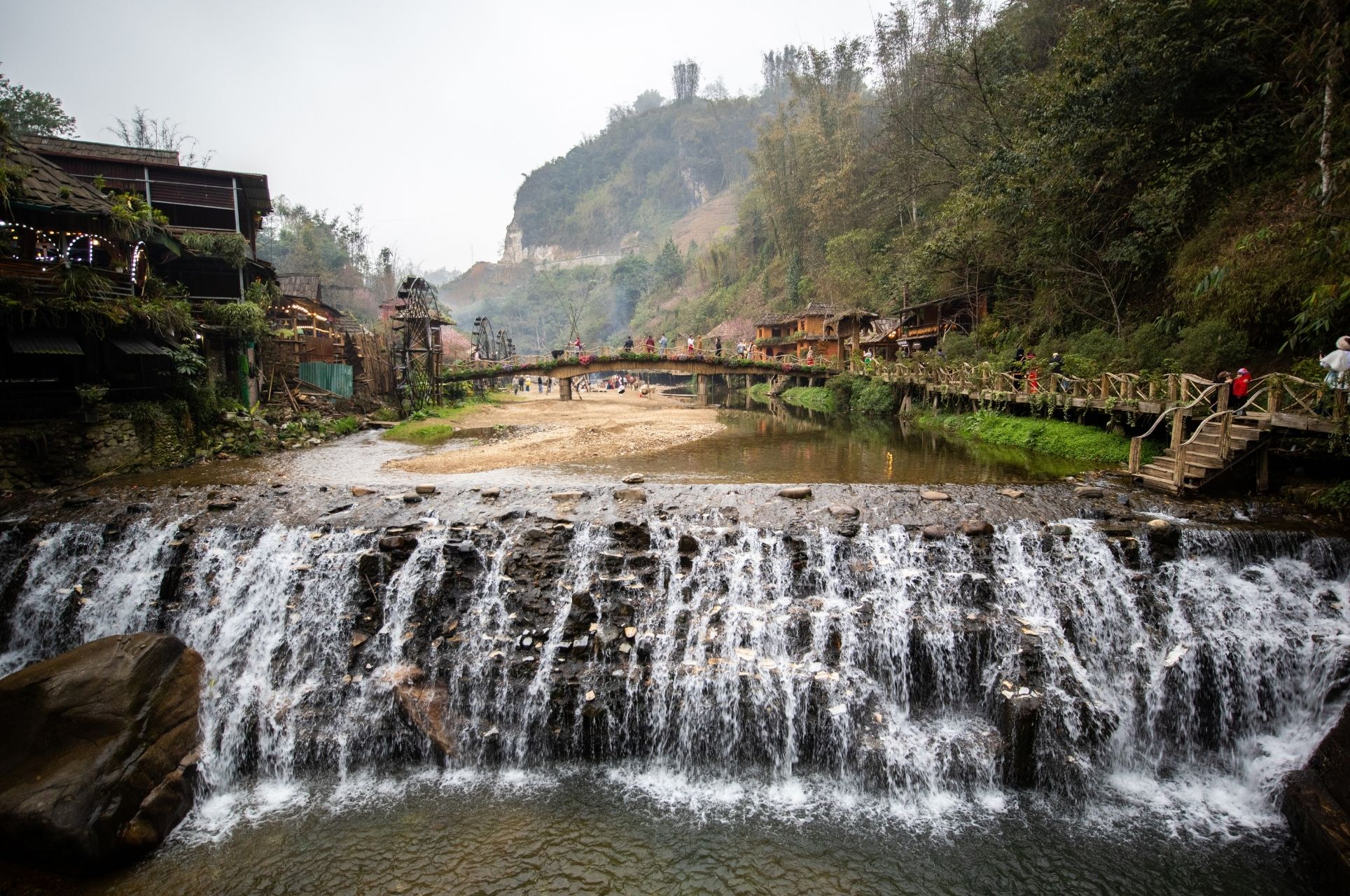
Nestled at the bottom of the Muong Hoa Valley, Cat Cat Village is one of the most visited ethnic minority settlements in Northern Vietnam. Framed by rolling green mountains, rushing waterfalls, waterwheels, and traditional wooden houses, it offers an accessible window into the region’s rich mountain culture just a short distance from Sapa town.
Many travelers choose to visit Cat Cat Village because it delivers sweeping valley views and cultural highlights through a manageable half-day walking route without requiring an exhausting, full-day trek. However, understanding the terrain, ticketing, walking paths, and transport dynamics is essential to getting the most out of your trip.
This comprehensive Cat Cat Village travel guide breaks down everything you need to know: what to see, transportation options, realistic pros and cons, practical walking itineraries, and packing essentials for first-time visitors, families, and international travelers.
Travel Planning Tip: Before booking your mountain getaway, check out our suggested routes and packing tips below to smoothly integrate this scenic stop into your customized Sapa tour package.
What Is Cat Cat Village?
Established in the 19th century, Cat Cat Village Sapa is primarily home to the Black H’mong ethnic community. Located approximately 2 to 3 kilometers from central Sapa town, the village sits nestled in a picturesque valley beneath the Hoang Lien Son mountain range.

Today, Cat Cat functions as a preserved cultural tourism site designed to showcase traditional highland livelihoods. Key highlights of the village include:
- Traditional Architecture: Historic wooden stilt houses (nhà trình tường) with stone foundations and three-room layouts.
- Hydro-Powered Waterwheels: Massive bamboo waterwheels constructed along the cascading Tien Sa stream.
- Artisan Crafts: Active workshops demonstrating traditional hemp weaving, indigo dyeing, and silver jewelry forging.
- Cascading Waterfalls: The central Cat Cat (Tien Sa) waterfall, originally harnessed by French colonialists in the early 20th century.
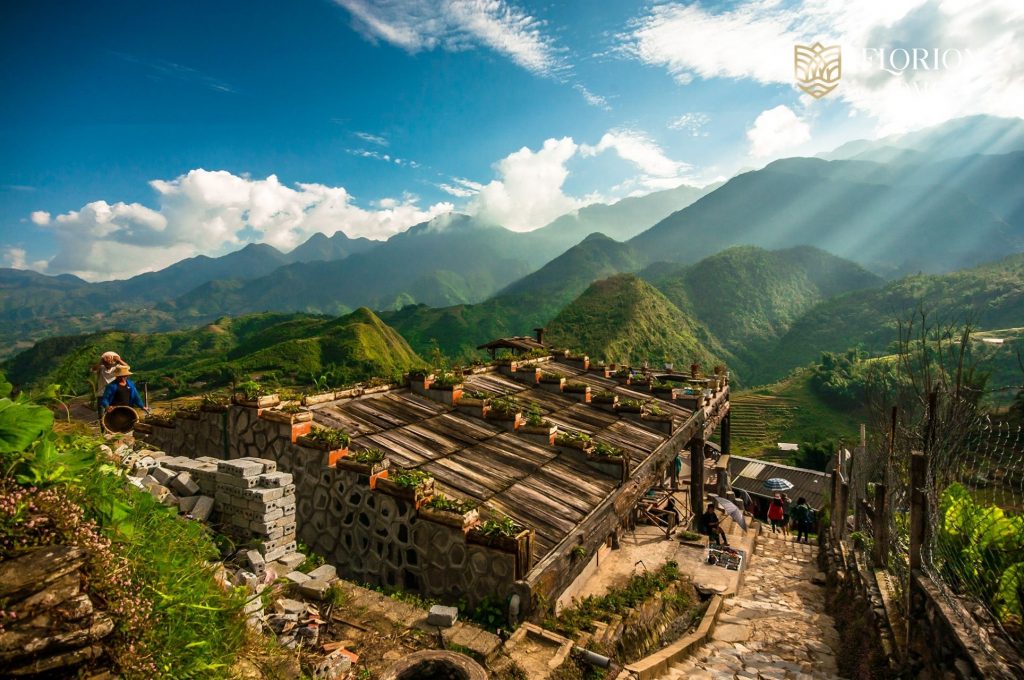
- Terraced Mountain Landscapes: Tiered rice and corn fields carved directly into the slopes.
Is Cat Cat Village Worth Visiting?
Cat Cat Village is a worthwhile stop for travelers seeking an easy introduction to Sapa’s cultural and mountain landscapes. However, having balanced expectations helps ensure a positive experience: it is a developed, visitor-friendly site rather than a remote, untouched tribal outpost.
The Pros:
- Effortless Accessibility: Situated just 10 minutes by car or a short stroll from Sapa center, making it ideal for tight travel schedules.
- Exceptional Photo Spots: Photogenic stone pathways, flower gardens, wooden footbridges, and river views at every turn.
- Family-Friendly Infrastructure: Well-paved stone stairs and clearly marked paths provide a manageable alternative to rugged, off-road mountain trekking.
- Comprehensive Cultural Overview: Offers live demonstrations of traditional weaving, local crafts, and folk music in a single, compact walking loop.
The Cons:
- Commercialized Atmosphere: The main entry street is lined with souvenir shops, rental costume boutiques, and beverage stalls.
- High Visitor Footfall: Can feel crowded during peak midday hours, weekends, and national holidays.
- Challenging Return Elevation: The walking path follows a continuous downhill descent into the valley; returning on foot requires an uphill climb over steep stone steps.
How to Get to Cat Cat Village from Sapa Town
Reaching Cat Cat Village from Sapa town is straightforward. Visitors can choose between walking, local transportation, or a guided tour depending on their mobility and schedule.
| Transport Option | Best Suited For | Key Operational Notes & Travel Tips |
| Walking / On Foot | Active couples, backpackers, fit travelers | Scenic downhill walk (approx. 20–30 mins); requires stamina for the steep uphill climb back to town. |
| Local Taxi / Electric Car | Families with children, seniors, small groups | Quick 10-minute drive from Sapa church to the ticket gate; metered and affordable. |
| Motorbike Taxi (Xe Ôm) | Solo travelers, adventurous pairs | Fast and flexible; drivers wait at exit gates for the return trip to town. |
| Organized Walking Tour | First-time visitors, culture enthusiasts | Includes an English-speaking guide, admission tickets, and structured cultural insights. |
| Private Sapa Tour Package | Families, corporate retreats, Indian travelers | Features private vehicle return coordination, customizable stops, and flexible pacing. |
Need seamless door-to-door transfers and local guide support in Sapa?
👉 Inquire About Our Private Sapa Transfer & Day Tour Options
Best Things to See and Do in Cat Cat Village
Experiencing Cat Cat Village Vietnam is best done at an unhurried pace, allowing time to explore artisan workshops, take scenic photos, and appreciate valley viewpoints.
- Stroll the Cobblestone Village Walk: Follow the flagstone trail flanked by wooden residences, mountain streams, and native plant life.
- Admire the Traditional Wooden Houses: Explore preserved Black H’mong homes to see traditional wooden hearths, attic grain stores, and hand-carved agricultural tools.
- Marvel at the Tien Sa Waterfall & Waterwheels: Watch water cascade into the stream near giant rotating bamboo waterwheels—the visual centerpiece of the valley floor.
- Cross the Suspension Bridges: Take in sweeping river views while crossing the rustic Si and A Lu wooden suspension bridges.
- Observe Indigo Dyeing and Flax Weaving: Watch local artisans spin natural hemp fibers, color fabric in deep indigo vats, and sew intricate batik patterns.
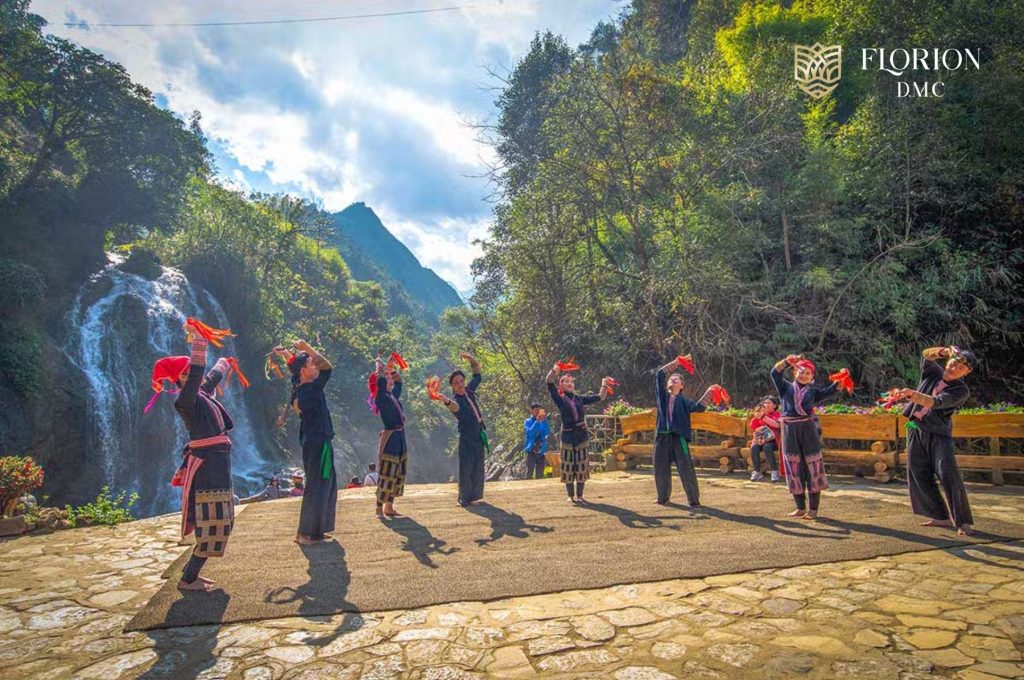
- Attend a Daily Cultural Performance: Enjoy short daily showcases of traditional H’mong dance and panpipe (khen) folk music at the cultural center near the waterfall.
- Capture Terraced Field Panoramas: Photograph the valley terraces from high vantage points along the upper ridge.
Suggested Cat Cat Village Walking Itinerary
A structured half-day Cat Cat Village walking tour helps you navigate the valley efficiently without backtracking up the stone stairs.
| Stop & Timeline | Focus Experience | Essential Logistics & Planning Notes |
| 08:30 AM – Gate 1 Entry | Purchase tickets & begin walking descent | Present entry ticket; secure paper trail map; wear sturdy comfortable shoes. |
| 09:00 AM – Upper Village Trail | Heritage houses & artisan workshops | Browse authentic indigo textiles and silver crafts; take early landscape photos. |
| 10:00 AM – Valley Floor Hub | Tien Sa Waterfall, stream & waterwheels | Main photo stop; catch the scheduled folk dance and music performance. |
| 11:00 AM – Riverbank Bridges | Cross A Lu & Si wooden bridges | Explore riverside bamboo waterwheels; enjoy fresh sugarcane juice or coconut water. |
| 11:45 AM – Gate 2 Exit | Conclude walk at lower collection point | Arrange a pre-booked vehicle return or hire an on-demand motorbike taxi back up to Sapa town. |
Best Time to Visit Cat Cat Village
Weather in the Hoang Lien Son range can change quickly. Timing your visit around seasons and daily conditions ensures optimal mountain visibility and comfortable walking.
- Time of Day: Morning (08:00 AM – 10:30 AM) offers cooler temperatures, softer lighting for photography, and fewer tour groups than the midday peak.
- Harvest Season (September – October): The valley turns golden-yellow as terraced rice paddies ripen before harvest, offering the region’s most iconic landscapes.
- Water & Green Season (May – August): Lush emerald terraces and fast-flowing waterfalls characterize the summer months, alongside warm daytime temperatures.
- Spring Blossom Season (February – April): Cherry blossoms and white plum flowers bloom throughout the village pathways under cool, crisp mountain skies.
- Winter Season (November – January): Expect cool, misty conditions. Bring warm layers and check forecasts, as stone steps can become slick in rain or dense fog.
Cat Cat Village for Families, Seniors, and Indian Travelers
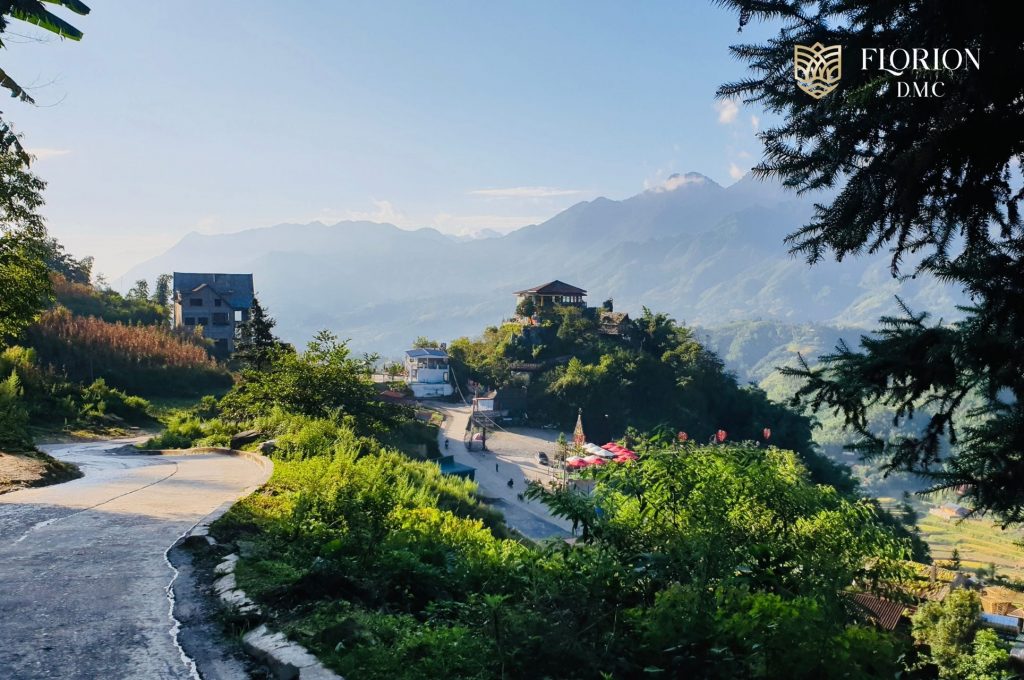
With deliberate planning and family-friendly pacing, Cat Cat Village can be adapted to accommodate diverse travel groups and multi-generational families.
1. Practical Tips for Families & Senior Guests
- Avoid the Uphill Return Walk: Walk downhill through the village from Gate 1 to the waterfall, then exit at Gate 2 where a private car or taxi can pick you up, skipping the steep climb back.
- Manage the Terrain: The route features several hundred uneven stone steps; lightweight walking sticks and slip-resistant footwear are recommended for seniors.
- Pacing & Rest Stops: Take regular breaks at riverside cafes and open pavilions along the route to rest and enjoy the valley views.
2. Dining Guidance for Indian Travelers
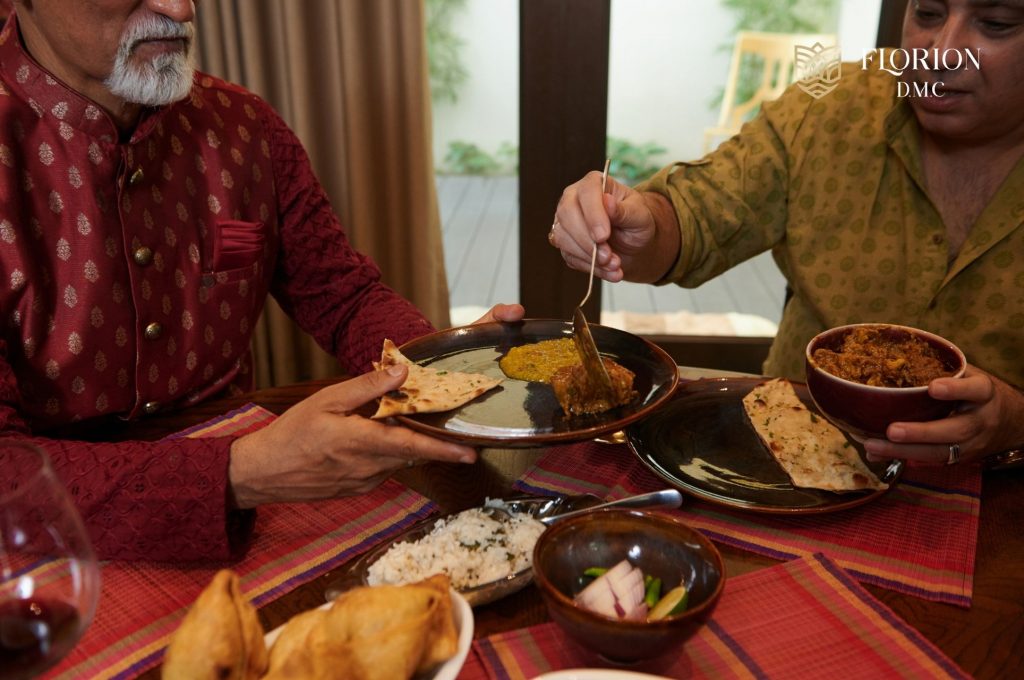
- Meal Planning in Sapa Town: While Cat Cat Village features local snack stalls selling grilled corn, sweet potatoes, and fruit, comprehensive pure vegetarian and Jain-friendly Indian meals are best enjoyed at established Indian restaurants in central Sapa town (e.g., along Fansipan or Cau May streets) before or after your tour.
How to Include Cat Cat Village in a Sapa Tour Package
Cat Cat Village works naturally as a half-day excursion within a broader North Vietnam itinerary.
- The Arrival-Day Opener: Ideal as an afternoon activity after arriving in Sapa via limousine bus or morning train from Hanoi.
- Paired with Mount Fansipan: Visit Fansipan Legend via cable car in the morning when summit skies are clearest, followed by a relaxed descent into Cat Cat Village in the afternoon.
- As an Introduction Before Longer Treks: Serves as a light walking warm-up before multi-day treks through deeper valley settlements like Lao Chai, Ta Van, and Ban Ho.
What to Prepare Before Visiting Cat Cat Village
Packing properly ensures a comfortable walk along the uneven valley pathways:
- Footwear: Sturdy, non-slip sneakers or light hiking shoes with good grip for navigating damp stone steps.
- Weather-Appropriate Layers: A breathable windbreaker or light fleece; mountain weather can shift quickly from sunny to breezy and overcast.
- Rain Gear: A compact travel umbrella or lightweight disposable poncho during summer and misty winter months.
- Hydration & Sun Protection: Reusable water bottle, UV-blocking sunglasses, and sunscreen on clear days.
- Local Currency (VND): Small cash notes for entrance tickets, bridge access, traditional souvenirs, bottled drinks, or motorbike return rides.
- Electronics: Fully charged smartphone, camera and a compact power bank for photos along the trail.

Common Mistakes When Visiting Cat Cat Village
Avoiding these common oversights will keep your trip smooth and stress-free:
- 1. Expecting an Untouched Wilderness: Cat Cat is a structured cultural attraction. Setting realistic expectations allows you to enjoy its scenic beauty and craftsmanship without disappointment.
- 2. Wearing Smooth-Soled or Open Shoes: Slipping on damp stone steps near the waterfall is common in sandals, flip-flops, or dress shoes.
- 3. Neglecting Your Exit Strategy: Walking all the way down to the waterfall without planning transport from Gate 2 can leave you facing a tiring, steep uphill walk.
- 4. Rushing Through in Under an Hour: Squeezing the walk into 45 minutes leads to fatigue. Set aside 2.5 to 3.5 hours to explore the trails, workshops, and cafes at an enjoyable pace.
- 5. Visiting Without Cash: Most handicraft stalls, small cafes, and local motorbike riders do not accept international credit cards or digital payments.

FAQ — Cat Cat Village Sapa
Q1: Where is Cat Cat Village located?
Cat Cat Village is located in San Sa Ho Commune, approximately 2.5 kilometers southwest of central Sapa town in Lao Cai Province, Northern Vietnam.
Q2: How much time should I spend in Cat Cat Village?
Most visitors spend 2 to 3 hours walking the trail, touring the artisan workshops, viewing the waterfall, and taking photos at a relaxed pace.
Q3: Is Cat Cat Village suitable for elderly travelers and toddlers?
Yes, provided you take a downhill-only route (entering at Gate 1 and exiting via pre-arranged vehicle at Gate 2) and take regular breaks. Strollers are not recommended due to the numerous stone steps; child carrier backpacks work much better.
Q4: Can I visit Cat Cat Village independently without a tour guide?
Yes. The path is paved and easy to navigate on your own. However, joining a guided tour provides helpful cultural background on Black H’mong traditions, artisan techniques, and local architecture.
Q5: Should I include Cat Cat Village in a short Vietnam tour package?
Yes. For travelers on a tight schedule who want to experience Sapa’s iconic mountain scenery, terraced fields, and ethnic heritage without committing to a full-day trek, Cat Cat Village remains a convenient and rewarding choice.
Plan Your Sapa Mountain Journey with Confidence
Whether you are planning a family vacation, a couple’s getaway, or an all-inclusive North Vietnam itinerary, Cat Cat Village offers an accessible, scenic introduction to the highlands of Sapa.
Let’s Build Your Custom Sapa Itinerary
Contact our destination team to receive a tailored Sapa quote, seasonal advice, and seamless ground arrangements for your upcoming Vietnam journey.
MICE | B2B | WEDDINGS | CHARTERS | CRUISES | GOLF
151A Nguyen Dinh Chieu, Xuan Hoa Ward, Ho Chi Minh City
47 Phan Chu Trinh, Cua Nam Ward, Hanoi City